.jpg)
Grasp Festival: Universally designed events aren't perfect right away — but that is okay

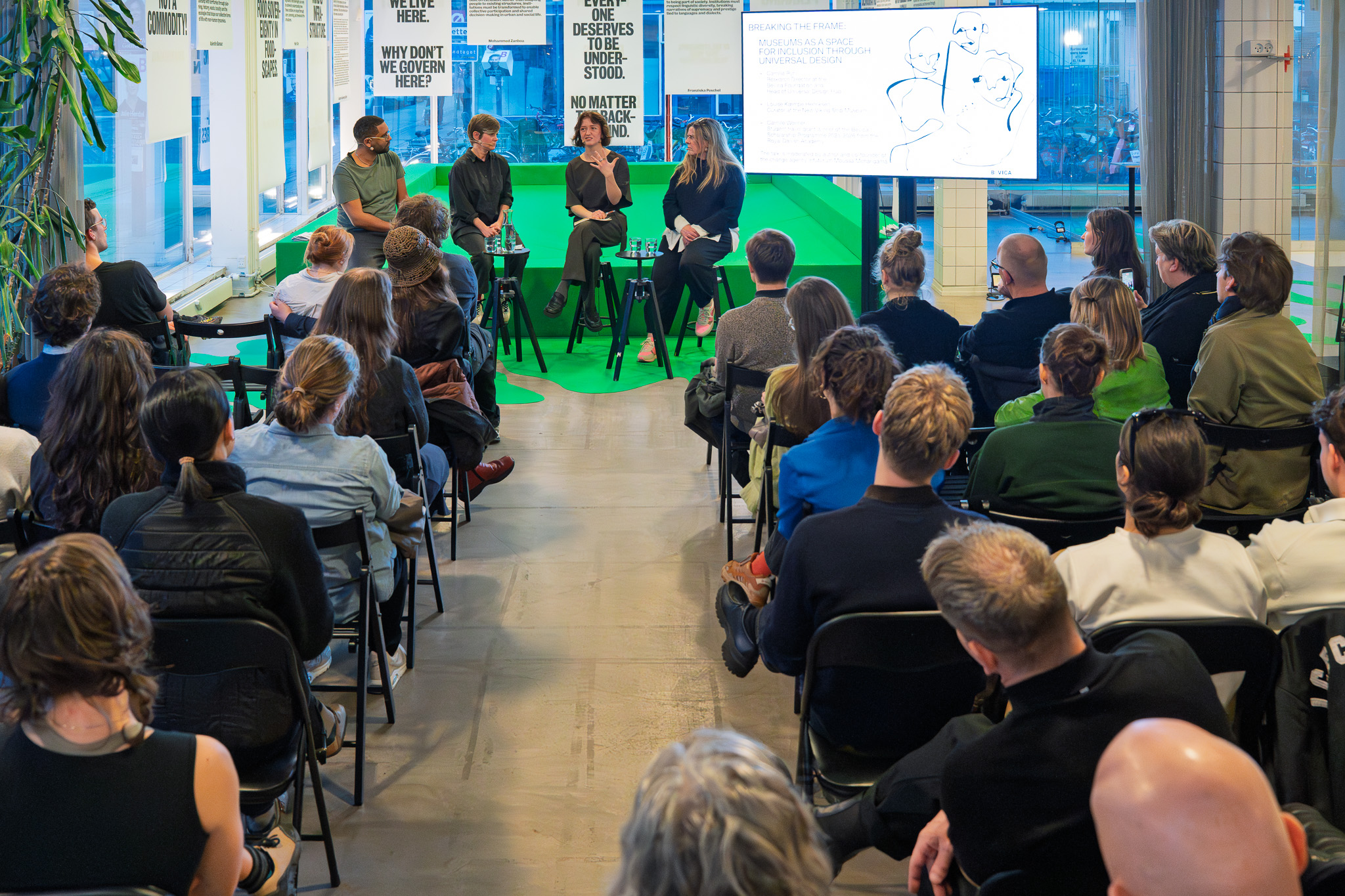
In collaboration with the Bevica Foundation, GRASP has, since 2024, hosted universally designed talks and concerts. The experience has created new awareness of what it takes to include more people—from early planning to sensory concert experiences.
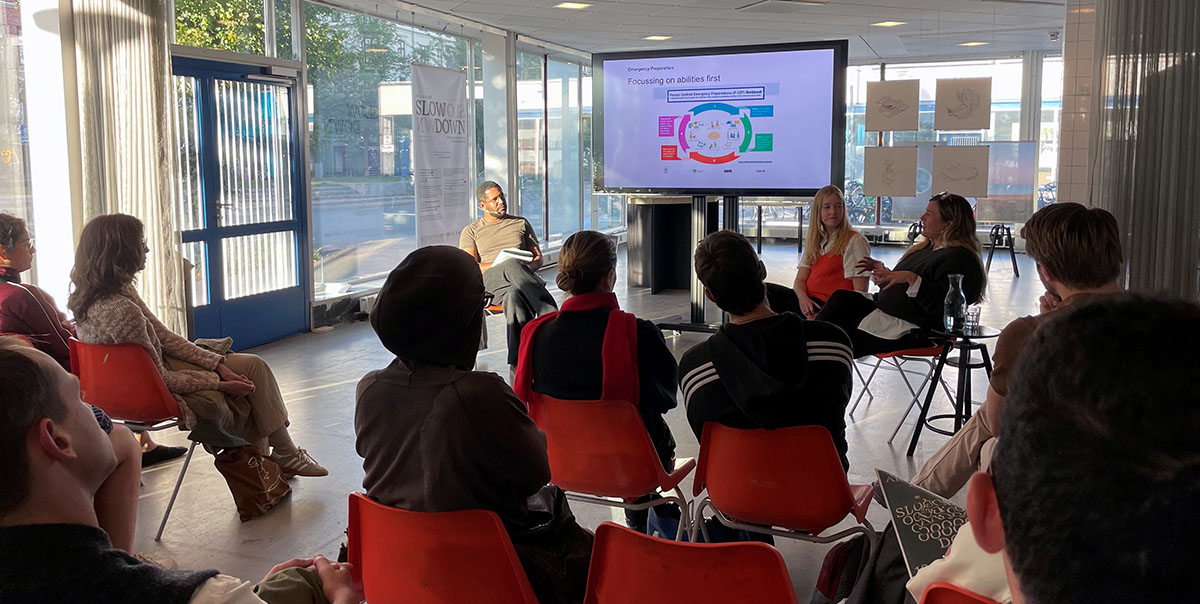
Work on universal design has given Programme Manager Karin Gottlieb and her team a new perspective on their events. It has raised their awareness of what it takes to include everyone when they run both talks and concerts. For example, they have spent a lot of time considering what it takes to create a sensory concert experience for people with disabilities.
Karin Gottlieb is Programme Manager at GRASP, Roskilde Festival’s platform for knowledge, networking, and community. Here, for instance, artists and researchers come together for talks, art, workshops, and concerts—creating new perspectives and learning. In the video below, you can hear about Karin’s experiences of working with universal design in cultural experiences. Karin Gottlieb says:
“Universal design is incredibly important in the arts and for cultural institutions like ours, because we need to be open and we need to create accessibility for more people. It’s in our spirit—and for everyone’s benefit—that as many people as possible can have access to what we create. So if we can achieve that with some new approaches, then we’re really underway.”
Based on this, the Bevica Foundation and GRASP Festival have worked together to spread awareness of universal design and to practise applying the concept in concrete terms as the festival is planned.
Through the collaboration, the experience has also been that it is important to accept that not all challenges can be solved immediately—and that it’s okay to make mistakes. “You don’t necessarily get there the first time, or with everything all at once,” Karin Gottlieb says, emphasizing that it takes courage to keep working towards good solutions. Because working with universal design is not about reaching a fixed, finished end goal—it’s about continuing to invite more people in.
Include universal design from the beginning
The experience has also shown that it is important to put on the “universal design glasses” early in the process when planning an event. That way, universal design becomes an overarching mindset rather than last-minute special add-ons. At the same time, it creates a more enjoyable and creative approach when it’s included from the beginning.
For example, at some of the joint events between the Bevica Foundation and GRASP, they have experimented with tactile “listening trees,” where the music is translated into vibrations in the tree—turning sound into a sensory experience for those who cannot hear it. On several occasions, they have also used a performance interpreter who translates lyrics and musical expression into sign language.
“And of course, these are initiatives that are absolutely necessary for some audience members, but they also add an extra artistic layer to the music that’s interesting for everyone,” says Mads Stampe, Head of Public Affairs and Communications at the Bevica Foundation.
More knowledge about Universal Design
Explore the Bevica Foundation's Knowledge Library

Latest News
Follow the latest news from the Bevica Foundation below.
.png)