Universal design is not a choice; it is a societal obligation.
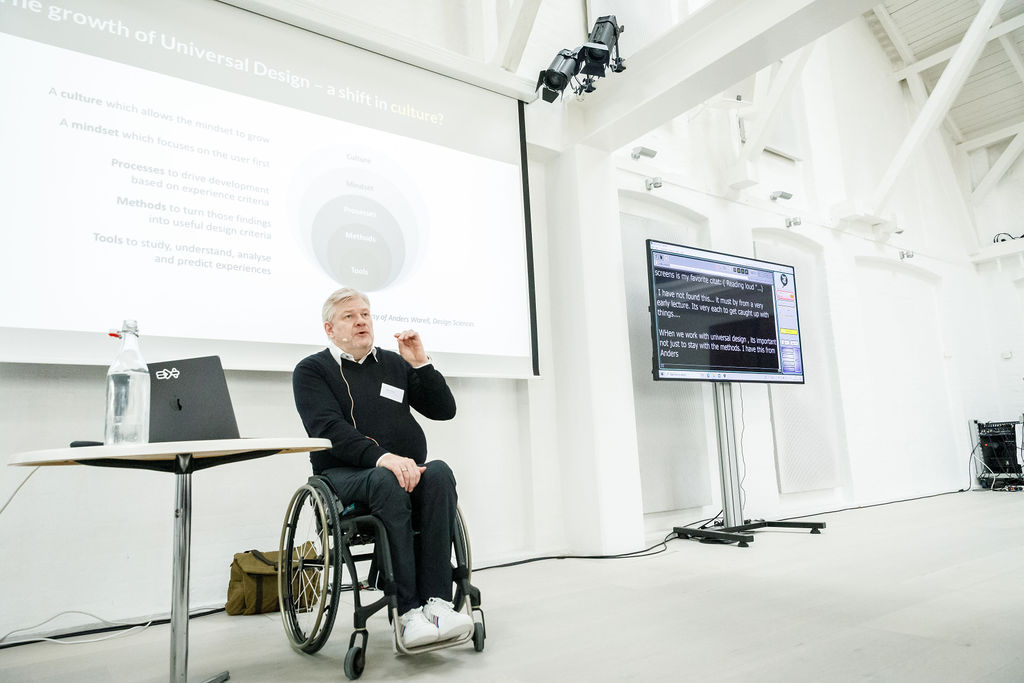

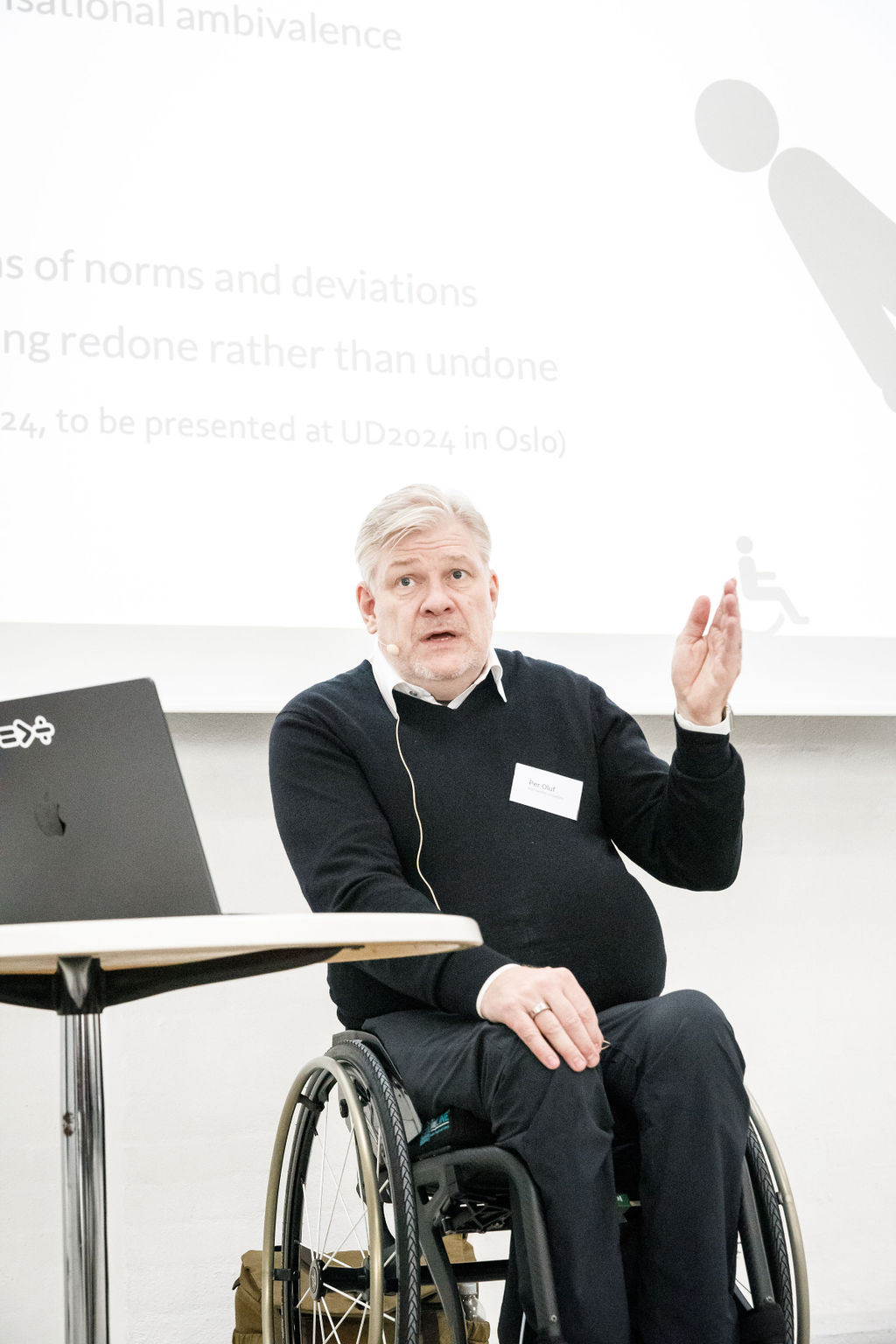
Per-Olof Hedvall, Professor of Design at Mid Sweden University, explains why universal design is not only about access, but about how we organise society for people with diverse needs.
Nearly 20 years after Sweden signed the United Nations Convention on the Rights of Persons with Disabilities (CRPD), the work of ensuring equal opportunities for participation is far from complete. Criticism from the UN continues to point to structural challenges that cannot be resolved through technical adjustments alone. For Per-Olof Hedvall, Professor of Design at Mid Sweden University, the CRPD is pivotal because it makes clear that universal design is a societal obligation rather than a voluntary option.
“The reason I refer to the CRPD is that it constitutes a societal commitment. It is also a framework in which universal design is highlighted as one of the most important strategies and one of the most significant obligations for our nation and our society,” explains Per-Olof Hedvall.
From Checklists to Culture
Hedvall notes that when we speak about accessibility, many people think in terms of regulations, standards and checklists. These are important tools, but according to Hedvall, they do not solve everything. “That way of thinking is part of society. It is part of the culture,” he explains.
If we want to create solutions that work for more people, we need to look beyond rules and legislation and ask why we do what we do. Universal design is not only about complying with regulations, but about challenging the habits and assumptions that determine, often unconsciously, who we design the world for. Otherwise, we risk meeting formal requirements while still excluding people in practice.
Three Layers of Participation
Per-Olof Hedvall describes universal design, accessibility and usability as three interconnected layers.
- Accessibility forms the foundational layer. Here, access is ensured through standards and requirements.
- Usability concerns how solutions are experienced in practice. It asks whether they are genuinely easy and meaningful to use for those they are intended to serve.
- Universal Design constitutes the overarching layer. It sets the direction and involves thinking diversity into the process from the very beginning, not as an exception, but as a starting point.
Together, these three layers help determine who is able to participate in society and under what conditions.
Hedvall emphasises that universal design only becomes meaningful when variation is actively sought out. The conversation becomes truly informed only when people who are not normally represented are genuinely invited to take part.
In the interview below, you can hear more of Per-Olof Hedvall’s reflections.
Inviting More Voices into the Conversation
Hedvall points to the work of the Bevica Foundation as an example of how universal design can be brought into play through knowledge-sharing and active involvement. It is not only about concrete projects or specific solutions, but about creating frameworks in which knowledge is exchanged and where the people concerned are included early in the process.
“To be able to talk about it (universal design, ed.), you have to seek out variation. It happens through invitation. You actively approach the people you wish to invite,” he explains.
Universal design is therefore not only about the solutions that are developed, but about who is invited to help shape them.
Read much more about Per-Olof Hedvalls work.
More knowledge about Universal Design
Explore the Bevica Foundation's Knowledge Library

Latest News
Follow the latest news from the Bevica Foundation below.
.png)