Conversation on Visibility and Responsibility

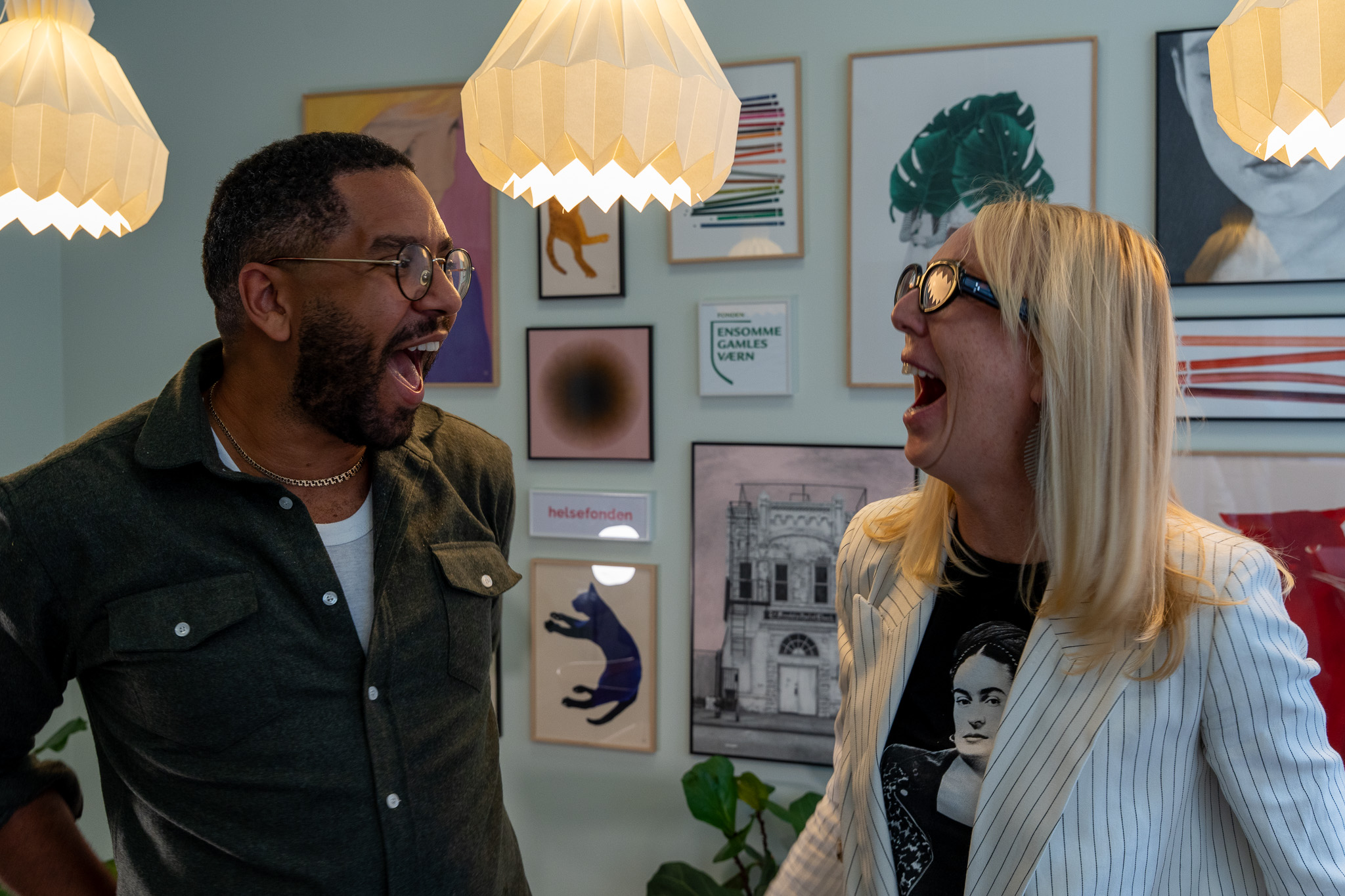
Moussa Mchangama and Caroline Casey talk about the personal and structural aspects of encounters between people, and point to why new ways of talking about disability, dignity, and community are necessary if real change is to take place. The conversation shows that understanding is not always enough—but that compassion and active responsibility make a decisive difference.
The conversation between commentator and author Moussa Mchangama and Caroline Casey, global disability activist, author, and co-founder of The Valuable 500, takes its point of departure in a fundamental question: what does it mean for people and communities when visibility is not a given? They explore how a lack of representation continues to shape our culture and our language, and how people with disabilities for far too long have found themselves in a position where their experiences have not been given the same value as those of others.
Here, the conversation points to one of the central problems in working with inclusion. We can launch countless initiatives, but if the fundamental way we talk about and understand each other’s experiences continues to be based on notions of a “them and us,” we do not move forward. Casey describes how even well-intentioned initiatives can contain discomfort and distance, while Moussa recounts how he himself had to unlearn a language that had never portrayed people with disabilities as something positive.
The conversation unfolds as a shared desire for responsibility—both in the spaces where people are present and in those where they are not. Here, shared responsibility and solidarity become concrete actions rather than abstract concepts. They talk about what it requires to speak up when exclusion is in the process of being built into solutions, and about the importance of not viewing inclusion as a zero-sum game.
In conclusion, they turn their attention to the Bevica Scholarship Programme, which Casey describes as a place where a new generation is given the opportunity to rethink universal design—not as a technical discipline, but as a way of working with human experience. For her, The Bevica Scholarship Programme is an example of how one can challenge scarcity thinking and instead place “for all” at the center.
The conversation does not arrive at a finished conclusion, but at a clear reminder that language, relationships, and responsibility between people are crucial if we want to create a society that gives more people the opportunity to participate—on their own terms.
Listen to the conversation below. Note: The conversation is in English.
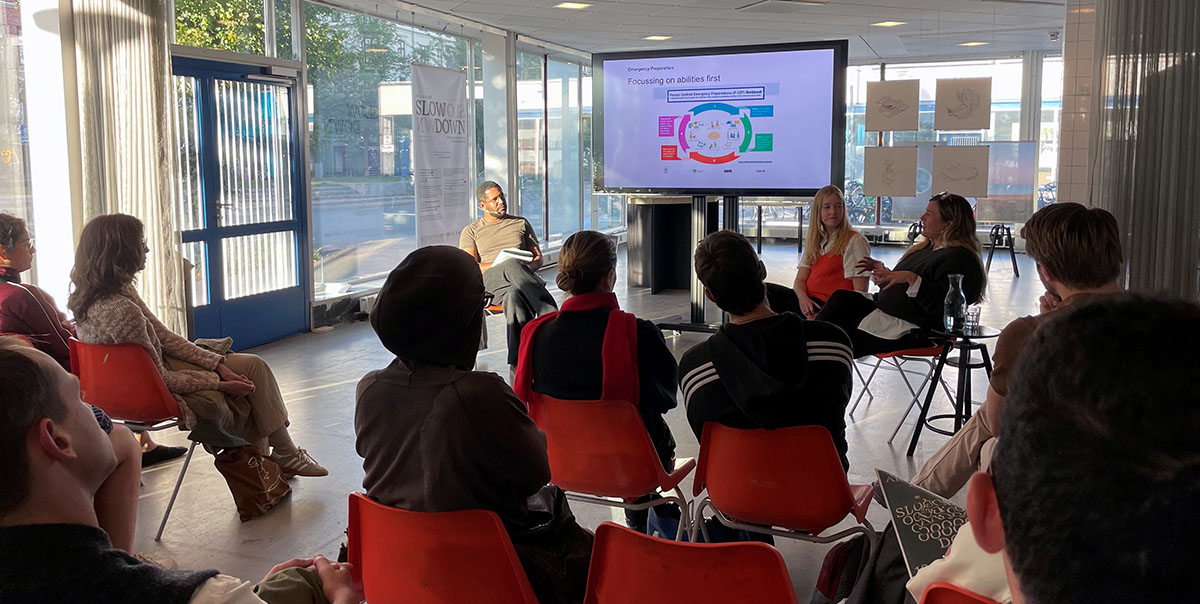
Listen to the panel discussion from the Bevica Scholarship Award Show 2025, where questions about language, representation and inclusion were developed in a Danish context.
Panel debate: What does representation and language mean for inclusion?
More knowledge about Universal Design
Explore the Bevica Foundation's Knowledge Library

Latest News
Follow the latest news from the Bevica Foundation below.
.png)