Parasports and universal design: Do not lower expectations - level the playing field instead

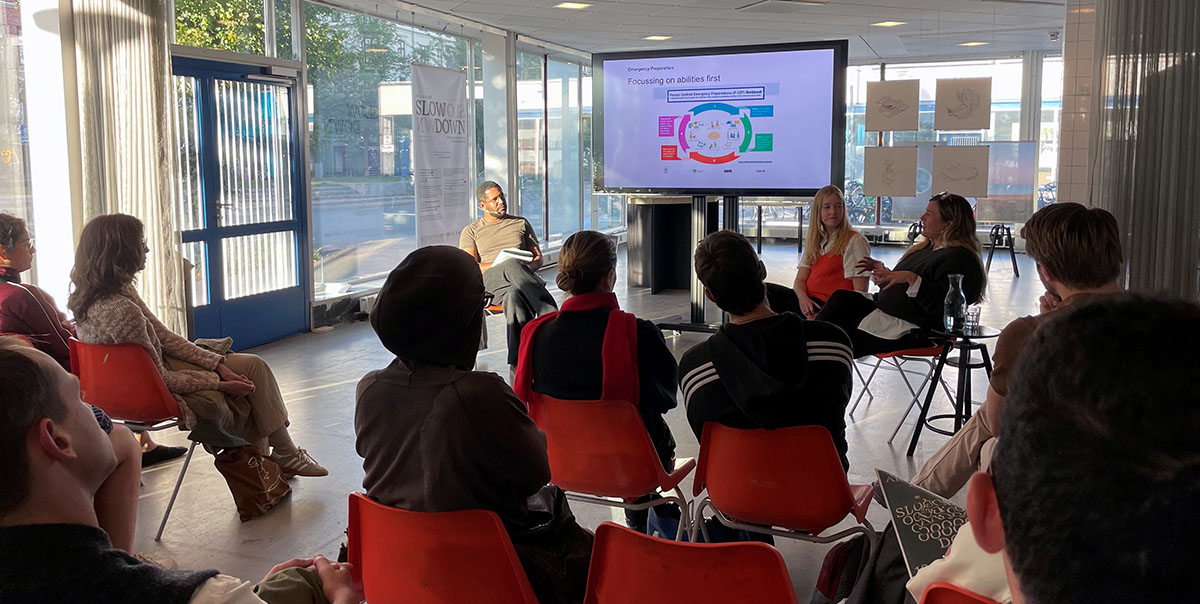
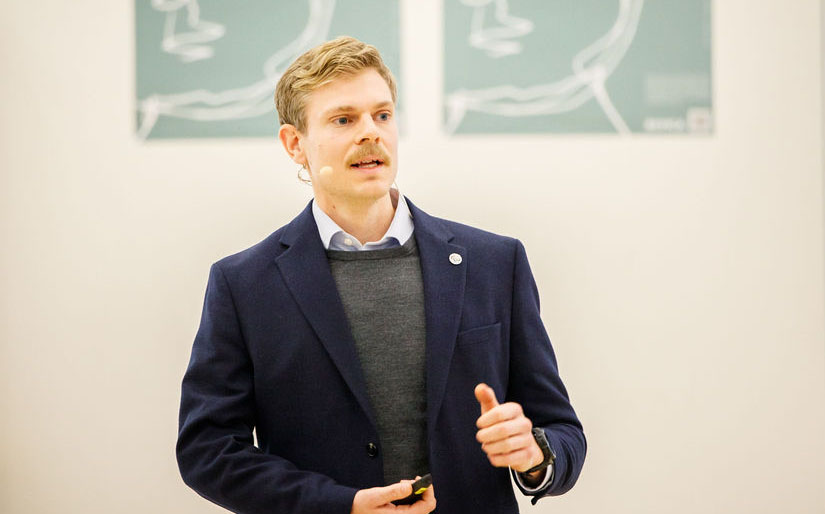
Bevica Fonden mødte Christian Lykkeby Olsen til en samtale om, hvordan parasporten viser, at vi med universelt design kan tilpasse rammerne, så alle kroppe kan præstere på højeste niveau.
Bevica Fonden met with Christian Lykkeby Olsen for a conversation about how parasport shows that, through universal design, we can adapt the framework so that all bodies can perform at the highest level.
The classification system is the backbone of parasport and ensures that everyone has an equal starting point from which to compete and excel. The system is therefore a good example of what universal design can look like in practice, according to Christian Lykkeby Olsen, who is PLY and Impact Manager at the International Paralympic Committee and a member of Universal Design Hub’s research network.
The classification system is an assessment system that categorises the type and degree of impairment in relation to specific sports, thereby giving athletes a more equal basis on which to compete, for example at the Paralympic Games.
“What we demonstrate with parasport — and especially through its pinnacle, the Paralympic Games — is that instead of lowering the bar or lowering expectations, we level the playing field,” he explains.
Parasport as a strong case for other arenas
Christian Lykkeby Olsen points out that this approach can also be transferred from parasport to other contexts — for example, the education system, employment, housing models and societal participation more broadly.
“The application or materialisation of the concept of universal design will vary. But the idea of levelling the playing field instead of lowering the bar or expectations is a method and a truly strong case that we provide through parasport,” he states.
“I think this is really important because it shows that every human being has inherent potential that can be fulfilled under the right circumstances, with the necessary support that this specific individual needs in this specific context,” he says.
In this way, Christian Lykkeby Olsen articulates a central point in universal design: the importance of constantly working with a catalogue of solutions that support all the different variations, needs, limitations and resources we have as human beings.
When we take this into account, we create systemic structures that make room for more bodies to fulfil their potential and participate on equal terms everywhere in our society.
Christian Lykkeby Olsen is an ambassador for the Bevica Scholarship Programme.
More knowledge about Universal Design
Explore the Bevica Foundation's Knowledge Library

Latest News
Follow the latest news from the Bevica Foundation below.
.png)