Kultur
Temapakken samler viden, værktøjer og eksempler på, hvordan universelt design kan skabe kulturoplevelser, hvor flere kan deltage, bidrage og føle sig inkluderet.

Why Universal Design in Culture?

Who can take part when we invite people to experience culture? The answer depends on more than access to a building. Sound, lighting, information, opportunities to take breaks and the way a work of art is presented can all make participation easier or more difficult.

Universal design is about considering different needs from the outset, while the experience is being created. A concert, for example, might allow audiences to feel the music through vibrations, while an exhibition could present a work of art through sound, text and touch. This makes the experience accessible to more people. At the same time, it is worth asking who gets the opportunity to participate as an artist, communicator or co-creator. When more perspectives are included, culture can also take on new forms of expression.
‍

Universal design is incredibly important in the cultural sector and for cultural institutions like ours, because we need to be open and we need to create access for more people. It is at the heart of what we stand for – ensuring that as many people as possible have the opportunity to access and engage with what we create.

Programme Manager, GRASP Festival

Professor Dr Janice Rieger is Associate Dean for Research at the Faculty of Design and Society and an Australian Research Council Research Fellow. Her research draws on the sociology of architecture, focusing on the co-design of inclusive environments, socio-spatial and climate justice, and ecologies of care.

In the video, Rieger explains why lived experiences and co-design are essential to creating equitable and inclusive environments.

Creative Growth Art Center in San Francisco demonstrates that a more inclusive cultural sector begins by opening doors in both directions. More people should have the opportunity to experience art, and more people should have the opportunity to create it.

Watch the video to see how they put this into practice.

In the video, Karin Gottlieb explains why universal design is important to GRASP Festival, Roskilde Festival’s knowledge festival.

The festival’s guiding principle is is that more people should be able to participate in cultural experiences. This is why the festival considers accessibility from the outset, using approaches such as performance interpreting and vibrations to enable people to experience music in different ways.

This beautiful and artistic interpretation of the American national anthem in American Sign Language ahead of the Super Bowl did more than make the song accessible to people with hearing impairments. It also added an artistic dimension for hearing audiences, enriching their experience. In this way, it is a powerful example of what universal design can bring to cultural experiences.

The interpretation was performed by Troy Kotsur.

Tools

It can be difficult to know where to start. The tools in this section help you explore your event or cultural venue from different perspectives. They can be used to examine the entire visitor experience – from the first information on the website to arrival, participation and the journey home.

You don't have to solve everything at once. What matters is identifying barriers, making informed decisions and using what you learn to improve the next experience.

Discover how an information board combining audio, tactile elements and visual information makes it easier for more people to find their way around the former Olympic Village near Paris.

The video provides a practical example of how universal design can be incorporated into an urban area from the outset, making it easier to navigate and use for people with different needs.

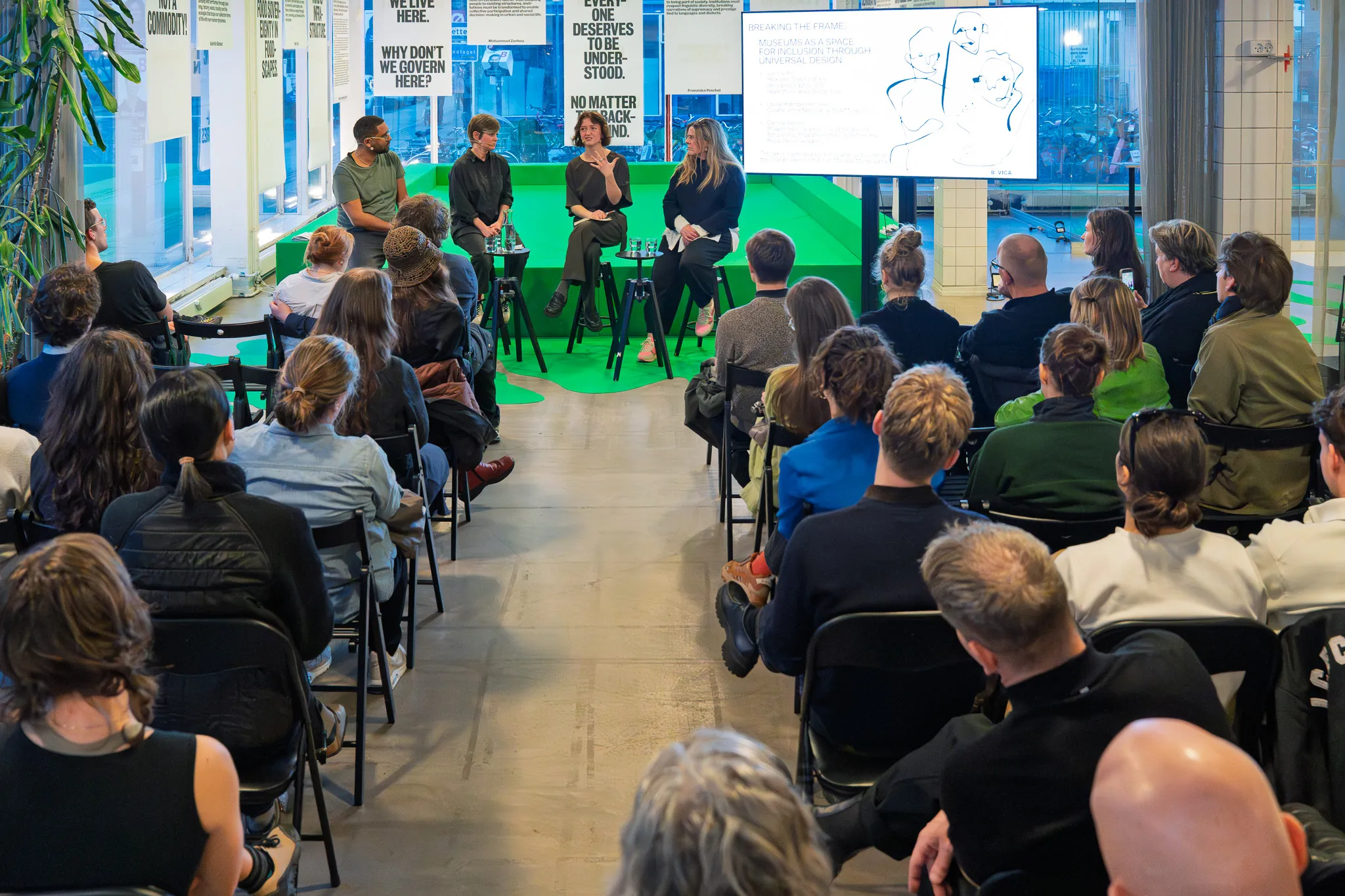
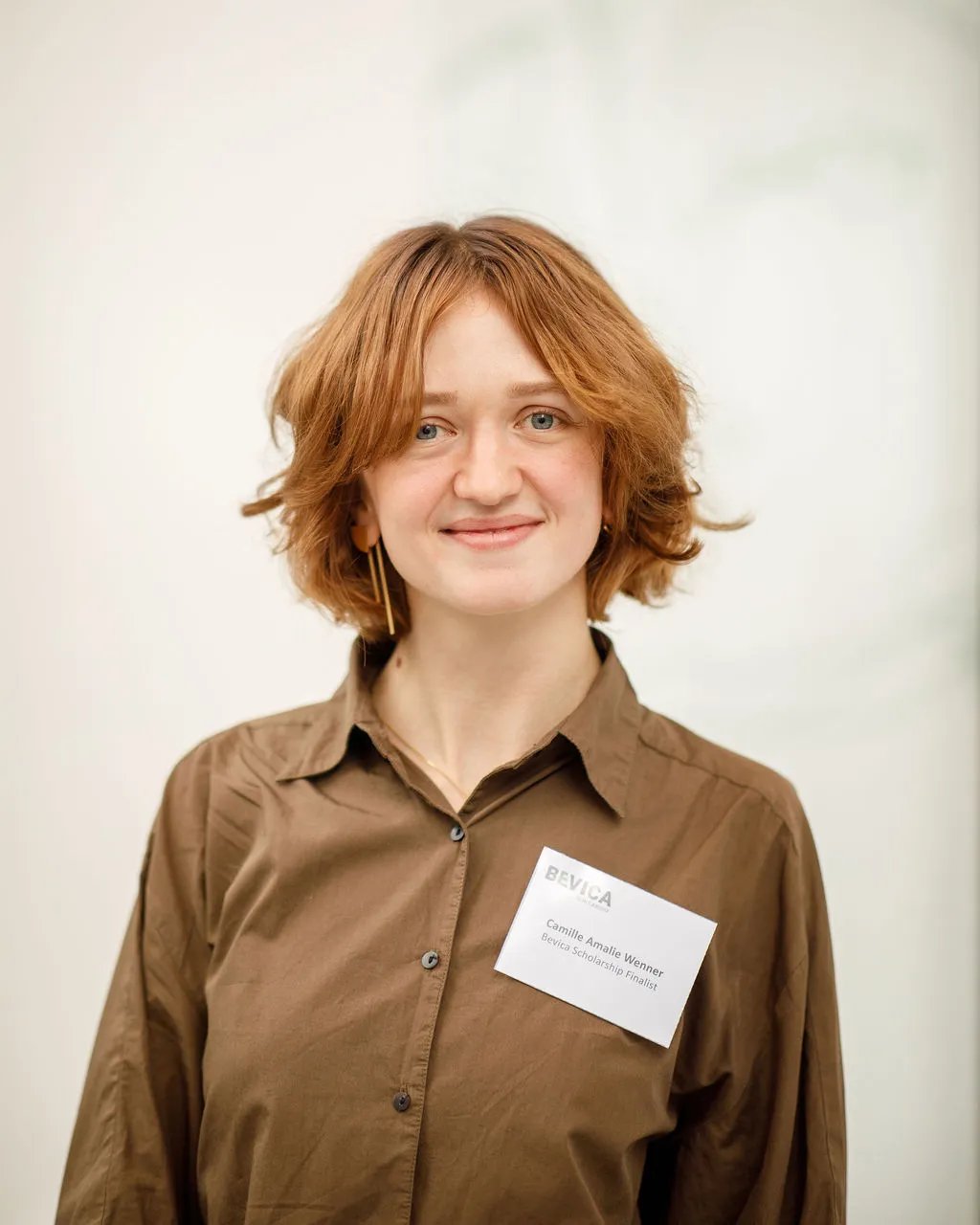
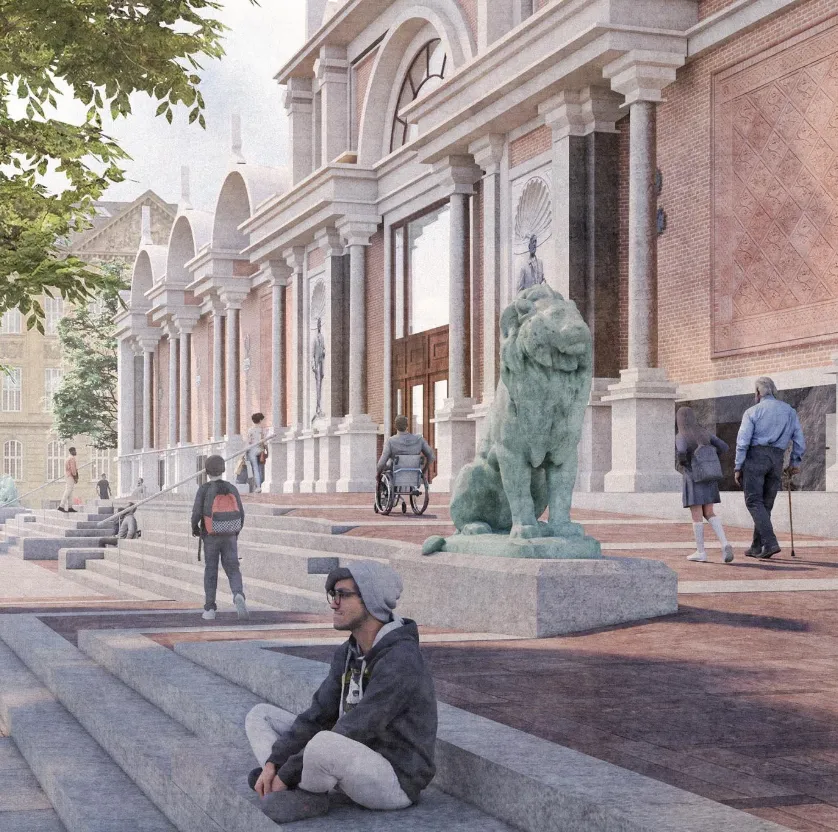
Museums should not just be physically accessible. They should also create spaces where different people can see themselves reflected, contribute their perspectives and be part of the culture.
Camille Wenner
Bevica Scholarship Travel Grant Winner 2025

Examples

Universal design can take different forms depending on the venue and the experience. In this section, you will meet cultural institutions, artists and event organisers who have found practical ways to include more people.

Some create different ways to experience an exhibition through audio description, sound or tactile elements. Others make it easier to prepare for a visit or offer audiences new ways to experience a concert. The examples also show that inclusion is about who gets the opportunity to take the stage, create works of art and tell stories. Use them as inspiration to look at your own practices from a fresh perspective.

Universal design is important when organising a concert because audience members have different needs when it comes to taking part in the experience. If organisers consider these needs from the planning stage, even small changes can make a difference. This is what Mikala and Fiona, two students at a Danish folk high school, discovered when they planned a concert and began asking themselves how they could make more people feel welcome and included.

Listen to Mikala and Fiona reflect on some of the challenges they encountered and how to get started by asking the very first questions.

Other knowledge resources

At Bevica Fonden, we do not aim to bring all knowledge together in one place. Instead, we regularly refer to other relevant knowledge centres, research environments and sources that we believe offer valuable perspectives, experiences and new insights into universal design.